Menopause: How to Deal with It and Thrive Through the Transition

Menopause: How to Deal with It and Thrive Through the Transition
Menopause is a natural phase in every woman’s life, marking the end of her reproductive years. While it is a biological milestone, the journey through menopause can bring a variety of physical, emotional, and psychological changes that may seem challenging. Understanding what menopause entails and learning how to manage its symptoms can help women navigate this transition with confidence and well-being.
In this blog, we will explore the stages of menopause, its common symptoms, and offer practical tips on how to deal with the changes menopause brings.
What is Menopause?
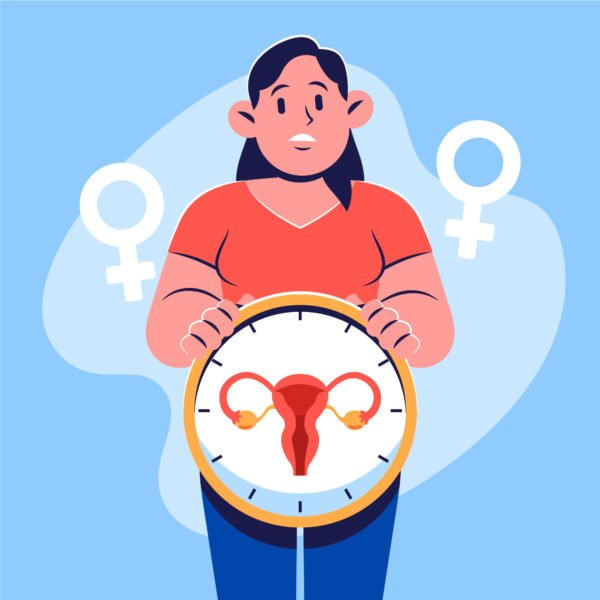
Menopause occurs when a woman’s ovaries stop producing eggs, leading to a decline in estrogen and progesterone levels. This hormonal change causes the end of menstruation and the ability to conceive. Officially, menopause is diagnosed after 12 consecutive months without a menstrual period.
It typically happens between the ages of 45 and 55, but some women may experience early menopause due to genetics, surgery, or certain medical conditions.
Stages of Menopause
- Perimenopause: This is the transition phase leading up to menopause and can last several years. During this time, periods become irregular, and menopausal symptoms such as hot flashes, night sweats, and mood swings may begin.
- Menopause: Menopause is officially reached when a woman hasn’t had a menstrual period for 12 months. This is when estrogen and progesterone levels have significantly declined, and symptoms may become more pronounced.
- Postmenopause: This stage follows menopause, and although hormone levels stabilize, some symptoms may persist. Women in postmenopause are at increased risk for conditions like osteoporosis and heart disease due to lower estrogen levels.
Common Symptoms of Menopause
The symptoms of menopause vary from woman to woman and can range from mild to severe. Common symptoms include:
- Hot Flashes: Sudden feelings of heat, often accompanied by sweating and redness, can occur day or night.
- Night Sweats: Intense sweating during sleep, which may disrupt rest and lead to fatigue.
- Mood Swings: Hormonal changes can lead to irritability, anxiety, or depression.
- Sleep Problems: Insomnia or difficulty staying asleep due to night sweats and other symptoms.
- Vaginal Dryness: Reduced estrogen levels can cause thinning and dryness of the vaginal tissues, leading to discomfort during intercourse.
- Decreased Libido: Many women notice a reduced sex drive during menopause.
- Weight Gain: Hormonal changes, slower metabolism, and lifestyle factors can contribute to weight gain, especially around the abdomen.
- Memory and Concentration Issues: Some women experience “brain fog” or difficulty concentrating.
How to Deal with Menopause: Practical Tips for Managing Symptoms
- Lifestyle AdjustmentsSimple changes in daily habits can significantly improve how you feel during menopause:
- Stay Active: Regular exercise can help manage weight, improve mood, and strengthen bones. Activities like walking, yoga, swimming, or strength training can alleviate symptoms like hot flashes and promote better sleep.
- Eat a Balanced Diet: Incorporate foods rich in calcium, vitamin D, and healthy fats to support bone and heart health. Include plenty of fruits, vegetables, and whole grains, and reduce your intake of processed foods, caffeine, and alcohol, which can trigger hot flashes.
- Stay Hydrated: Drink plenty of water to combat dryness and maintain overall hydration.
- Managing Hot Flashes and Night SweatsHot flashes are one of the most common and uncomfortable symptoms of menopause. To reduce their impact:
- Dress in Layers: Wear light, breathable clothing in layers so you can easily adjust to sudden changes in body temperature.
- Avoid Triggers: Common triggers include spicy foods, caffeine, alcohol, and stress. Keep a journal to identify and avoid your personal triggers.
- Use Cooling Techniques: Keep a fan or cold water nearby. At night, sleep in a cool room with light, breathable bedding to help reduce night sweats.
- Hormone Replacement Therapy (HRT)For women with severe symptoms, hormone replacement therapy can be a highly effective treatment. HRT replaces the estrogen and progesterone your body is no longer producing, which can alleviate symptoms like hot flashes, vaginal dryness, and mood swings.However, HRT isn’t for everyone, as it comes with some risks, including an increased chance of blood clots, stroke, and certain cancers. It’s important to talk to your healthcare provider to determine if HRT is right for you.
- Non-Hormonal TreatmentsIf HRT isn’t suitable for you or you prefer to explore other options, there are non-hormonal alternatives:
- Antidepressants: Low doses of certain antidepressants (such as SSRIs) have been shown to reduce hot flashes and improve mood.
- Vaginal Moisturizers and Lubricants: These over-the-counter products can help relieve vaginal dryness and discomfort during intercourse.
- Herbal Remedies: Some women find relief using herbal supplements like black cohosh, evening primrose oil, or soy isoflavones. However, consult your doctor before trying any supplements, as they can interact with other medications.
- Mental and Emotional Well-beingThe hormonal fluctuations during menopause can affect mental health, leading to anxiety, depression, or mood swings. Taking care of your emotional well-being is crucial:
- Practice Mindfulness and Meditation: Mindfulness techniques, deep breathing exercises, and yoga can help reduce stress and anxiety.
- Talk About It: Don’t hesitate to reach out for support from friends, family, or a therapist. Sometimes, just talking about what you’re going through can help ease the emotional burden.
- Cognitive Behavioral Therapy (CBT): CBT is a therapeutic approach that can help manage the emotional symptoms of menopause, including anxiety and depression.
- Sleep HygieneSleep disturbances are common during menopause, often caused by night sweats or insomnia. To improve your sleep quality:
- Establish a Sleep Routine: Go to bed and wake up at the same time every day to regulate your internal clock.
- Create a Relaxing Environment: Keep your bedroom cool, dark, and quiet, and avoid screen time before bed.
- Limit Caffeine and Alcohol: Both can interfere with sleep, so try to avoid them, especially in the evening.
- Bone HealthLower estrogen levels during menopause increase the risk of osteoporosis. Protect your bone health by:
- Taking Calcium and Vitamin D: Incorporate foods rich in calcium (such as dairy products, leafy greens, and fortified foods) and consider a vitamin D supplement if necessary.
- Strength Training: Regular weight-bearing exercises, such as walking, weight lifting, and resistance training, help strengthen bones and reduce the risk of fractures.
Thriving Through Menopause
Menopause can be a time of transformation, and while it brings challenges, it’s also an opportunity to focus on self-care and embrace a new stage of life. With the right strategies, you can manage symptoms and maintain a healthy, active, and fulfilling lifestyle during and after menopause.
By making adjustments in your diet, exercise routine, and mental health practices, and seeking support when necessary, you can navigate this transition smoothly. Always consult your healthcare provider to create a plan that best fits your individual needs and health conditions.
Menopause is not an end but a new beginning—an opportunity to live life with renewed energy, wisdom, and balance.
Related posts